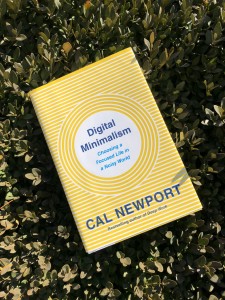
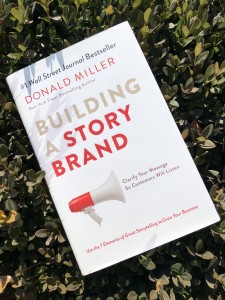
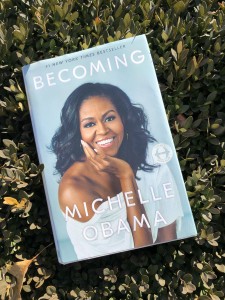
Author’s Note: I did not include the recommended reading for the 2020 ASPIRE Success Club – some of which are pictured above. These books are so outstanding, the group will be dedicating more time on them throughout the year!
It’s that time of year again! And can I just tell you, it makes my literacy-advocate-heart happy that so many of you ask about this list each year! 🙂 A quick shout-out to everyone who enrolled in the 2020 ASPIRE Success Club too, for a portion of each enrollment supports Everybody Wins! Iowa or Dolly Parton’s Imagination Library – two excellent organizations building strong readers in our world.
Choosing my favorite books generally proves quite a challenging task. I typically read 60+ books each year (click here if you wonder how), so selecting just a few favorites often involves lists and crossing out and changing my mind and weighing positives and drawbacks and circling back and…
(Oh, have I mentioned I am a bit of a booknerd? :-))
Much to my surprise, however, my favorites this year easily rose to the surface!

Before we jump in, keep in mind these are books I’ve read this year (not necessarily published this year), and I haven’t included our 2020 ASPIRE Success Club picks which are outstanding (see my intro above). Also, these are my nonfiction favorites; you can find my fiction picks on Instagram in the near future.
While I am often moved by books, it’s rather rare to find one that makes me laugh out loud repeatedly, cry unabashedly, and connect me to humanity in ways I never expected. Gottlieb’s creation did that for me. She masterfully writes from her perspective both as a therapist as well as from being in therapy herself, and her stories remind us how we are all navigating challenges – many times that others know nothing about. Beautiful, insightful, and thoroughly engaging.

I have sung Cal Newport’s praises all over the internet for years, though he will probably never know since he spends little to no time on social media! In Digital Minimalism he explains why, and offers so many insights and practical tips for taming screen usage in our own lives. I especially liked his emphasis on first determining your values, then using (or not using) platforms in ways that support those values. Much like Deep Work a few years ago, this book changed the way I think as well as many of my behaviors.

If you need to clearly articulate a message – whether in business, marketing, or even when telling people what you do for a living – I cannot recommend Miller’s book highly enough. He eloquently describes the power and typical format of a strong story, offers tips for cutting out the excess, and gives numerous examples to demonstrate his points. I have since listened to his podcast by the same name, and his body of work has truly prompted great change in my business and communication!

I love memoirs, and I learned so much from this one – especially on topics I wasn’t expecting! Obama writes candidly about her many educational and professional pursuits, experimenting with ways to create work / life balance, navigating life and parenthood in the public eye, health challenges, relationship lessons, family dynamics, and so much more. Though many of her experiences differ from my own, I found her story incredibly relatable and highly inspiring.

Some of you may have first met me from attending my Life Of No Regrets (LONR) events over a decade ago. When I came across Designing Your Lifeearlier this year, it felt quite reminiscent of LONR – but from a systems perspective from two leaders in the Stanford Design Program. “Designers don’t think their way forward,” they write, “they build their way forward.” An excellent resource for uncovering meaningful work, reframing experiences, taking action, learning from failure, and designing a life you love.

What excellent book have you read lately? Let me know on Facebook or Instagram!
Christi Hegstad, PhD, PCC is the Certified Executive + Personal Coach for difference-making achievers! Clarify your vision, free up time, and confidently reach bold, compelling goals that matter! Contact us today for coaching, speaking, and Mastermind opportunities, or click here and fill in the blue box to join our email community.
“Sometimes the smallest step in the right direction ends up being the biggest step of your life.
Tiptoe if you must, but take the step.”
Attrib. Naeem Callaway
We’ve begun the final month of the year!
In what direction are you feeling called?
To stronger leadership skills? Greater sense of purpose? Clarity? Confidence? Improved mindset?
This week, choose your direction – then take a step.
Whatever direction you choose, your next step might include:
* Blocking time for it in your calendar
* Crafting an easy-to-follow plan
* Hiring a coach or other professional support
* Doing something instead of thinking about doing something
* Deciding to be committed – not just ‘interested’
Your step doesn’t need to be huge – but make it definite. Feel free to borrow one of my favorite Guiding Principles: Decide And Take Action!
Christi Hegstad, PhD, PCC is the Certified Executive + Personal Coach for difference-making achievers! Clarify your vision, free up time, and confidently reach bold, compelling goals that matter! Contact us today for coaching, speaking, and Mastermind opportunities, or click here and fill in the blue box to join our email community.
“I just don’t let myself think, ‘That will never work.’ Instead, I think, ‘I’m going to try it!’ Not knowing the ‘how’ right away does not hold me back.”
These words from longtime ASPIRE member Mary Knight of San Diego, CA sum up her approach to Bold Goals – and to life – beautifully. And this mindset has served her well! Over the years, she has traveled the world extensively, owned a natural pet food store, published her travel/food writing + photography, served meaningful nonprofits, imported and sold Italian olive oil through her online business, lectured across Australia, and is currently preparing to teach ESL courses. “I make time and save money to do the things that feed my soul,” she told me recently.

When I asked what keeps her coming back to ASPIRE each year – and often bringing others along! – two reasons rose to the surface:
1. Personal growth. “The discussions with other women are so enlightening and always give me new perspectives. ASPIRE really helps me step out of my comfort zone.”
2. Structure. “I am a free spirit with lots of ideas. ASPIRE offers the accountability, tools, and structure to help me actually turn those dreams into plans that I can achieve!”
Mary radiates enthusiasm and joy via the internet in our videoconference meetings, and this summer I had the pleasure of experiencing this in-person too when we met for coffee in her hometown of San Diego!
You can learn more about Mary at SpoonAndSuitcase.com. And if you’d like to turn *your* dreams into plans like Mary, join us in the 2020 ASPIRE Success Club! Enroll at https://christihegstad.com/products/aspire-success-club/ TODAY – enrollment closes one week from today!
Christi Hegstad, PhD, PCC is the Certified Executive + Personal Coach for difference-making achievers! Clarify your vision, free up time, and confidently reach bold, compelling goals that matter! Contact us today for coaching, speaking, and Mastermind opportunities, or click here and fill in the blue box to join our email community.
“When I won the Oscar, I thought it was a fluke. I thought everybody would find out, and they’d take it back… ‘Excuse me, we meant to give that to someone else. That was going to Meryl Streep.'” – Jodie Foster
My blog and social media posts last week on impostor syndrome sparked a great deal of discussion. Interestingly, none of it public.
But does that come as any surprise? Although some reports show 70% or more of us experience impostor syndrome, we typically feel like we’re the only ones. I can think of countless coaching clients who have shared, shyly and almost under their breath, inklings of impostor syndrome; I can recall a number of times I have shared similar thoughts with my coach, too.
I vividly remember, for example, the first time I hosted Spark, a public event that I subsequently held for many years. I sent the email announcement, then immediately closed my laptop and walked away, thoughts of “What if no one registers? Who am I to put on an event like this?” running through my head.
And then, even in Spark’s 5th year and after registrations had sold out nearly every year prior, thinking, “Yes, maybe it will sell out – but what if no one shows up?”
Or, what if they show up and think I don’t know what I’m talking about?
Or, what if they think I know what I’m talking about but… and on and on and on.
Impostor syndrome, if nothing else, is exhausting.

I remember reading that Maya Angelou – a prolific author, poet, and world-changer in so many ways – sometimes worried, even after numerous publications and accolades, that she had “run a game on everybody, and they’re going to find me out.”
Maya Angelou!
So step #1 in addressing impostor syndrome is recognizing that you’re not alone.
From there, a variety of internal, practical, and mindset tips can minimize impostor syndrome. We often delve deep into this work through coaching, but here are a few ideas to help you get started:
1. Create a “Making A Difference” file.
Set up an email folder called “Making A Difference” or “Proof Positive” or something that speaks to you. Then, every time you get a message from someone thanking you, acknowledging a job well done, or anything else that feels uplifting, store it in the file. You can also include certifications, volunteer hours, items you’ve published, or other helpful documentation.
On days when you question yourself, pour a cup of coffee, open the file, and let the words remind you of what you already know: You make a difference.
Side note: Keep a physical copy in your journal or planner as well.

2. Take an action.
One of the biggest takeaways from The Confidence Code, an excellent book by Katty Kay and Claire Shipman that we discussed in-depth in the ASPIRE Success Club a few years ago, is actually the title of one of their chapters: Do More, Think Less.
“Confidence is linked to doing,” they write. “Think less, take action, be authentic.”
This is especially helpful if you lean towards overthinking. Check in with your values, make a decision, then take an action in favor of that decision.

3. Accept compliments graciously.
It seems like such a small detail, but wow does it make a difference! Instead of being self-deprecating or brushing aside compliments as if they don’t apply to you, simply say, “Thank you.” End of story.
What changed this for me was realizing that whenever I pushed aside a compliment with something like, “Oh, but I messed up three times!” or even “This old thing? I’m almost embarrassed to wear it!”, I was basically saying to the complimenter, “You are wrong.” That seems downright rude, and I strive not to be rude whenever possible.
Once you begin accepting compliments with a simple ‘Thank you,’ the next step is to start believing them!

4. Keep a Success Journal.
This action literally takes less than two minutes per day but can change your entire perspective.
Every afternoon before you leave work or every night before you go to bed, jot down one ‘win’ you experienced that day. Maybe you completed something that’s lingered on your to-do list, or you had a great conversation with your child, or you harvested a tomato from the plant you’ve diligently been cultivating. YOU get to decide what constitutes a win, and make a quick note of it.
Soon, you will have an entire list of wins to counteract any impostor-y thoughts.

5. Set up visual cues.
Turning to things outside of your own head can be especially helpful when the inside of your head wants to focus on doubt.
Strategically place items that remind you of your strength, courage, ability, and purpose in frequently-seen spaces (desk, bathroom mirror, phone wallpaper, planner, etc). For example, I had a greeting card on my desk for ages that included the Joan of Arc line, “I am not afraid. I was born to do this.” Seeing visual anchors like these, including your Success Journal, helps redirect your thoughts in the moment.

I have coached people who feed the hungry, run multi-million dollar budgets, speak on huge stages, literally save lives every day … and who still hear a voice that asks, “Who do you think you are?” So if you hear it too, you’re in good company.
The above tips can help quiet that voice, as can the support of a coach. In addition, resources like the previously mentioned Confidence Code by Kay & Shipman and Lean In by Sheryl Sandberg can prove insightful. You can even find some quick celebrity thoughts on impostor syndrome here.
Next time you hear that voice asking, “Who do you think you are?” – take it as an opportunity instead of a threat. Answer it with a resounding description of your strengths and actions, culled from the above tips.
I’ll bet you soon find that critical voice getting quieter and quieter as you put more and more of your greatness out into the world!
Christi Hegstad, PhD, PCC is the Certified Executive + Personal Coach for difference-making achievers! Clarify your vision, free up time, and confidently reach bold, compelling goals that matter! Contact us today for coaching, speaking, and Mastermind opportunities, or click here and fill in the blue box to join our email community.
What motivates you to keep going, especially when you encounter obstacles?
External rewards like applause and praise are wonderful. I encourage you to bestow them on others whenever possible.
We cannot, however, rely on the applause and praise of others as our main motivational strategy. How others respond is not within our control.
Some ways to do this:
* Review where you were a year ago compared to today. Acknowledge your growth.
* Celebrate someone else. You may be surprised how this supports your own motivation!
* Return to your purpose – remember why you started.
How else do you motivate yourself? Share your thoughts on Instagram or Facebook!
Christi Hegstad, PhD, PCC is the Certified Executive + Personal Coach for difference-making achievers! Clarify your vision, free up time, and confidently reach bold, compelling goals that matter! Contact us today for coaching, speaking, and Mastermind opportunities, or click here and fill in the blue box to join our email community.
Don’t you just get super excited when you think about CONSISTENCY? Doesn’t the idea of doing the same thing over and over and over … and over … just make you want to jump in and start immediately?
Ok, maybe it’s not the most thrilling thing out there, but it sure is one of the most effective!
Considering we have 100’ish days left in 2019, just think what could be different by the end of the year if you did one of the following:
* jogged 1 mile every day
* wrote 1 page of your book every day
* recorded 1 personal win every day
* read 1 article in your industry or passion field every day
* learned 1 new word every day in the language you are studying
* thanked 1 employee or colleague every day
* spent 1 extra tech-free hour every day
Small steps definitely add up over time. Maybe consistency is pretty exciting after all?! Nevertheless, I will save my ‘Let’s put the FUN back in consistency (aka, FUNsistency)!’ speech for another day. 😀
What’s one thing you’d like to do more consistently this fall?
Christi Hegstad, PhD, PCC is the Certified Executive + Personal Coach for difference-making achievers! Clarify your vision, free up time, and confidently reach bold, compelling goals that matter! Contact us today for coaching, speaking, and Mastermind opportunities, or click here and fill in the blue box to join our email community.
A colleague and I met for lunch recently to catch up on each other’s work and lives. She had set a wildly bold goal for her business at the start of the year, and I recalled her excitement and go-get-’em attitude when she shared it with me back then.
Now that September has rolled around, however, she’s not as far along as she had hoped. “I’m not sure it’s even possible now,” she said. “Maybe I should change it to something more within reach.”
I sat quietly for a moment. (I’ve gotten really good at that.)
“But what if I lower it – and then don’t even reach that?” she wondered aloud. “That would actually feel worse. Or what if I lower it, and then my motivation completely disappears? And now that I think about it, Q4 tends to be my best – what if I just go for it?”
Friends, what would you do?

“Go mediocre or go home!” isn’t exactly the most motivating cheer – yet it might describe how we often pursue goals.
As I shared with the ASPIRE Success Club during our Bold Goal training earlier this year, I used to set goals in a pretty standard (read: mediocre) way. I would strive for those that I was 98% certain I could reach, that were already well underway, or that felt comfortable. The checking-of-the-box was more important, way back when, than the stretch.
Does this sound familiar? Do you ever shy away from bigger goals – or goals in general – out of fear of disappointment if you don’t reach them?
I eventually came to realize that avoiding big goals just so my ego could play it safe was the equivalent of surviving rather than thriving, of stagnating rather than flourishing. I didn’t want to just exist, I wanted (and still want!) to dream and grow and change the world! So I began setting Bold Goals and my life has never been the same.

First, if you’re not where you thought you’d be at this time, you’re not alone.
Second, it’s not too late to change your trajectory.
1. Evaluate, honestly, the actions you’ve taken thus far.
Let’s say your goal is to increase the number of clients with whom you work. If your #1 way of gaining new clients is through in-person conversations but you are instead spending 4 hours per day updating your social media accounts, you may be busy but not necessarily purposefully productive.
Make sure your actions actually align with and support your goals – not just keep you comfy. Talk with your coach or leader to ensure you’re focusing attention on the right things. In other words, keep the goal – but perhaps change the methods.
2. Ask yourself new questions.
The quality of your answers depends on the quality of your questions. So if you’re not happy with your current answers (or results), change your questions.
Some examples:
Old: Why aren’t I farther along?
New: What are 5 actions I could take to propel my goal forward? What’s holding me back that I need to let go of? To whom could I reach out for guidance and support?
Old: Why is this so difficult?
New: What would make this easier or lighter? How can I engage my strengths more? To whom could I reach out for guidance and support?
Old: What if I’m not good enough?
New: How can I continue to improve my skills? What new stories can I tell myself to remember that I am indeed good enough? To whom can I reach out for guidance and support?
(Notice the common thread among them all? I said above that you’re not alone – and you don’t have to go it alone, either.)
3. Fall in love with consistency.
I started a new set of daily actions on September 3 to help move one of my goals forward. I have followed through each day but have not yet seen much difference.
So, do I throw in the towel?
Absolutely not. Two weeks is not enough time to determine the effectiveness of my new system. I’m reviewing regularly and tweaking as necessary, but I’m not saying, “It’s been ten days – guess this won’t work.” If you’ve discussed your actions with your coach or leader and are quite certain they are the right ones, keep on keepin’ on.
Consistency. It’s not the most exciting thing out there, but it’s usually the most effective!

Consider the example of Norman Borlaug: Nobel Peace Prize winner, saver of countless lives, and – I would venture to guess – someone with incredibly Bold Goals. “Too many people are satisfied with mediocrity,” said Borlaug. “They don’t reach for the stars. If they did, there would be more people with stardust on their hands.”
Think of the difference in growth you will experience with a Bold Goal, regardless of the outcome. What if, for example, you aimed to raise $500,000 for your nonprofit instead of $50,000. Would you take different, perhaps bolder, actions? Would your mindset expand? Would you learn far more about what to do, and what not to do, going forward? Would your innovation and resilience and overall excitement strengthen?
By the end of our lunch date, my colleague decided to keep her bold, outrageous goal. She also committed to re-evaluating what it will take to get there, securing more support and accountability, and practicing consistency with her efforts. Her excitement once again felt palpable – a good clue that she will reach her goal, or come pretty darn close.
So, is it time to dream smaller? No way – it’s time to believe bigger. We don’t transform our lives, make a difference for others, or change the world by lowering the bar.
Consider the above tips.
Reach out to your coach, leader, or mastermind group for guidance and accountability.
Then, light up the world with your clear and confident action! We want to see you succeed.
Christi Hegstad, PhD, PCC is The Certified Executive + Personal Coach for difference-making achievers! Clarify your vision, free up time, and confidently reach bold, compelling goals that matter! Contact us today for coaching, speaking, and Mastermind opportunities, or click here and fill in the blue box to join our email community.
Need a boost of courage for the week ahead? A few ways to build it:
* Reflect on times in the past when you have been courageous. Tease those moments apart for clues (and celebrate your courageous self while you’re at it!).
* Surround yourself with people who inspire you, challenge you to be your best, and model purposeful courage.
* Remember to breathe. (Periodically when someone tells me to take a deep breath, I am stunned at how shallowly I had been breathing before without even realizing it!)
Whether you are rounding up courage to take an action toward your bold goal, to hold a challenging conversation, or something else entirely, consider JRR Tolkien’s words: “Courage is found in unlikely places.”
And often, I’d argue, that place is deep within your own self.
Christi Hegstad, PhD, PCC is The Certified Executive + Personal Coach for difference-making achievers! Clarify your vision, free up time, and confidently reach bold, compelling goals that matter! Contact us today for coaching, speaking, and Mastermind opportunities, or click here and fill in the blue box to join our email community.
While speaking about my entrepreneurial journey recently, a fairly new business owner asked, “If I could do just one, super-practical thing in the next 24 hours to boost my success, what would you recommend?”
Several ideas popped into my mind, but the simple, straightforward one that rose to the surface?
Start a morning practice.
I mentioned how this single action, which I essentially started because I was tired of my own morning crabbiness, has become one of the longest-running and most-valuable habits I have ever established.
The more I think about it, the more I realize that nearly every success I’ve experienced in my life – personal, professional, relational, or any other form – has taken root in my morning practice. This daily routine has provided the space for ideas to arise, inspiration to appear, action plans to come out of my head and onto paper, and difficult conversations to be pondered before taking place in real life.
It has also allowed the opportunity to start the day with intention, connect with my intuition and faith, generate solutions to problems that seemed unfixable just the night before, and decide – every day – who and how I want to be in the world for the next 24 hours.
My morning practice has even been where my creativity has flourished, periods of grief have flowed, and important life decisions have been made.
I have definitely had other key contributors to my personal and business growth. But the glimmer almost always first appears during the opening hour of my day.
In the past few weeks, I’ve had numerous requests to share the specifics – like, the detailed details – around how I spend this hour. Today’s blog, perhaps the longest I’ve ever written, is my response to those requests!

A quick internet search will yield dozens of reasons for starting a morning practice, but I would turn the question back to you:
Why do you want to implement a morning practice?
How do you believe you will benefit?
While the research and anecdotal evidence are important, your personal reasons will motivate you into action more than anything else. Then, experiencing those benefits will help you sustain your practice.
For me, the benefits have been plentiful and longstanding, including:
* Starting the day on my own terms, choosing my mood and attitude before anything external can influence
* Putting first things first, and feeling a sense of fulfillment even if the rest of the day doesn’t go as planned
* Greater patience
* Better, and longer lasting, clarity and productivity
* Increased self-confidence
* Stronger sense of personal agency
* Enhanced purpose and intention
* Higher motivation, feeling ready to kickstart the day
* Greater self-awareness
* Peacefulness, even if the day becomes challenging
Think about what you hope to gain by starting your mornings on purpose. Not only will this support your motivation, it will help ensure you actually obtain the benefits you’re seeking.

When I first started my morning practice, I had just opened my coaching business and had three kiddos under the age of five. On any given day, my practice at that stage of life might involve just ten minutes of quiet time before the day began, or might be done while snuggling with a baby, or might even take place at a different time throughout the day. I decided early to focus on being intentional rather than perfect.
With that in mind, what follows is my specific current practice – certainly not the be-all and end-all to powerful morning routines. Toward the end of the article, I will share ways you might adapt these ideas to suit your own personal needs. You do you!
Now, for the nitty-gritty details:
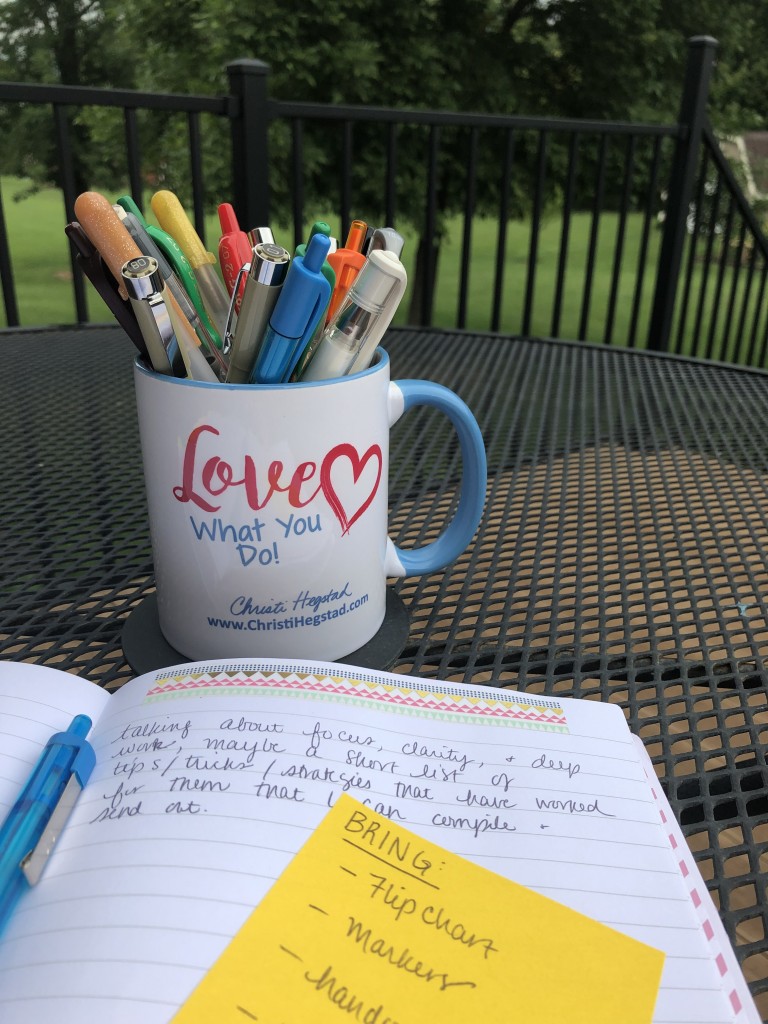
My morning practice actually begins the night before. I make sure my supplies (journal, pens, coffee mug, etc.) are in place. If I had to start the day looking for things, I don’t think I would hop out of bed very easily!
I also set my coffee maker to auto-brew, and I *love* walking into the kitchen to the scent of freshly-made coffee. If you prefer a French press or tea, however, you could incorporate your beverage-making process into your morning routine by making it an experience in mindfulness.
In addition, I set two alarms – one for 5:30am, one for 5:55am. I will explain more about this in a moment.
1) Wake up at 5:30am
This, not surprisingly, literally involves turning off the alarm and immediately getting out of bed. The key here is not hitting snooze.
I used to hit snooze. I used to rely on snooze.
What changed it for me was realizing that when I hit snooze, my first action of the day basically involved breaking a promise I made to myself the night before – which felt out of integrity. Missing the mark on my first goal of the day (to wake up when I said I would) also made me feel behind before I even got started. Therefore, eliminating snooze became highly important.
2) Drink 2 glasses of water
I have read that drinking water first thing in the morning helps detox and purify your body as well as assists in feeling more awake. The primary reason for me, I must admit, is that I’m not always the greatest at drinking enough water during the day. By starting off with two full glasses, I kickstart this healthy objective before my mind is awake enough to say, “Are you sure you don’t want _______ [insert nearly any other beverage here] instead?”
On a side note, last spring I found myself a really pretty goblet, and this makes my water-drinking much more delightful! 🙂
Approximate time: 5 minutes

3) Meditate
Consistent meditation is a fairly new practice for me and I love it. I use an app on my phone called Insight Timer; I have several guided meditations bookmarked, otherwise I will use the search function for a keyword like ‘clarity’ or ‘confidence’ or ‘peace,’ depending on what I feel I most need.
I typically stay awake during my meditation … but that second alarm I mentioned that rings at 5:55am? That’s just in case I drift off while meditating. My coffee maker is also set to brew at 5:45 so coffee awaits me when I finish my meditation. Clear mind + fresh coffee = bliss, if you ask me!
You can read more about my experience bringing meditation into my routine here.
Approximate time: 10-15 minutes
4) Journal
I then pour a cup of black coffee (Arco is my all-time favorite, though I enjoy a variety of brands) and settle in with my journal. I have been journaling since I was eight years old (so, a few years now 😉 ) and this makes up the bulk of my morning practice.
I start every journal entry with the date, time, and my location; I know some people who also record the weather or their mood/energy level, too. From there, it’s a stream of consciousness that might include ideas for upcoming events, things I’m concerned about, dreams I had the previous night, goings-on with family members, drafts of an article or course outline, thoughts around the day’s activities, progress on goals, ways to improve myself, problems I’m experiencing, where I’d like to go on vacation … nothing is off-limits.
If you’d like to try journaling but aren’t sure what to write, take a peek at these prompts for starters.
Approximate time: 30-40 minutes
5) Pray + offer gratitude
While my faith plays a part in all aspects of my life, how it typically shows up in my morning practice is via my journal. I will pray for people on my pages; I also end nearly every journal entry by writing my gratitude for family, love, health, meaningful work, the gift of another day – whatever comes to mind in that moment.
I include my Mom in that portion of my journaling as well. She shined such a light in this world, and she gave me my first journal all those years ago. It seems a natural and fitting way to stay connected with her.
Approximate time: Incorporated into journaling time
6) Read
I always have a book with me, usually a fiction and a nonfiction going at any given time. In the mornings, however, those books are pushed to the side in favor of a devotional or some type of inspirational text. Lately I’ve been reading Tony Dungy’s Uncommon Life Daily Challenge (my third time with this one); other times it might be a page-a-day type book (Simple Abundance by Sarah Ban Breathnach has made a few rounds with me, too) or even a single passage or quote.
I read, then spend a moment pondering how the message might apply that day or what it means to me personally.
Approximate time: 5 minutes

7) Preview the day + set an intention
Before leaving my cozy seat, I will take a quick look at the upcoming day’s events and often choose an intention word. For example, if I have back-to-back meetings and appointments and events for many hours in a row, I may choose a word like “Energy” to remind me to pay attention to my energy; if I have some difficult conversations or challenges ahead, I might pick “Calm” or “Smile.” Sometimes I will record the word, but usually I just think it and then recall it periodically throughout the day.
I’ve been doing this last piece off and on for years, and I’m still surprised at how helpful choosing one word to represent the day can be!
Approximate time: 2-3 minutes
In all, my morning practice takes right around an hour. After this, I focus on greeting my family members and setting the rest of the day in motion. I have another, much shorter (5 minutes or so) practice that I engage upon first arriving to the office – let me know if you’d like to see a blog on that as well.
Before I share a few more thoughts, please note that while this is my typical routine, life periodically seems to have other plans and I adapt. Some days my routine may start later, some days earlier. Sometimes I have an early morning meeting, so my practice is significantly shortened. I alter as life requires but strive to be ‘flexibly consistent.’
As I mentioned, my morning practice has evolved over the years, and I’m sure it will continue to do so. Other components you may wish to consider:
* Affirmations – writing, reading, saying aloud
* Exercise – running, walking, stretching, yoga
* Nutrition – healthy breakfast, snack, smoothie
* Scripting – writing out your ideal vision of the day ahead
* Breath of fresh air – stepping outside for a few deep breaths (even in an Iowa winter!)
* Greetings – writing and sending a card or note
The options, of course, are truly endless.
The benefits from my morning practice started appearing fairly quickly and have motivated me to continue for around 15 years now. While I will sometimes intentionally step away from my practice (ie, on vacation), I definitely feel a bit ‘off’ or antsy on the rare days that I accidentally miss. A few tips that I have found instrumental:
– Keep it screen-free.
When you begin your day checking email or scrolling social media, you are essentially allowing other people – perhaps people you don’t even know – to impact your mood, fill your mind, and determine your priorities before you’ve had a chance to do this for yourself. Not cool.
Keep your phone off or, even better, in another room. I use mine to access guided meditations on Insight Timer, but this wasn’t until years into a screen-free morning practice. If I felt the temptation to hop on social media or surf the web was too hard to resist, I would leave my phone elsewhere and practice meditation in a different way.
– Start small.
I really want to reiterate this point: Your morning practice does not have to follow someone else’s actions or timeline. Can’t realistically manage an hour in the morning without sacrificing too much sleep? Start with 5-10 minutes, and fill those moments with something truly enjoyable that makes you want to get out of bed. One of my clients pours a cup of coffee to savor while walking through her garden, a morning routine that takes less than 10 minutes but starts her day with purpose and positivity.
And if you don’t even have 5-10 minutes? Shorten it even more. Perhaps get in the habit of turning off your alarm and thinking of 3 things for which you are grateful before you get out of bed. Put a sticky note of affirmations on your mirror and read them every morning while you brush your teeth. Mentally send a bit of love and goodwill out into the world before the busy-ness of the day sets in.
Don’t worry about making it a fancy or perfect experience – just a meaningful one.

OK, friends! If you’ve stuck with me this long, you are definitely ready for your own morning practice. What will it be?
To get started, pull out a notebook or journal and ask yourself a few questions:
– Why do I want to implement a morning practice? How do I feel it will benefit me and/or those around me?
– What are some ways I might like to spend this time? List as many as you’d like.
– Of those ideas, which one or two do I want to start with?
– How long would I like my morning practice to be? Be realistic here; you can always add time as you develop the habit.
– What time will I begin my morning practice? Building a consistent routine is helpful, however your unique situation may require flexibility if you work varying shifts, have little ones to care for, etc. Answer this question only if it serves you.
– What might get in the way of my morning practice? How will I address those potential obstacles? Get specific. If “Hitting snooze” is a potential obstacle, put your alarm at the other side of the room, or commit to calling an accountability partner who is also developing a morning practice, or have your coffee maker’s auto-brew function set to a certain time. (Because you will want to drink that coffee when it’s fresh, right?!) 🙂
Decide to engage in your morning routine for the next week, then re-evaluate. What have you noticed? What’s working well, and what’s not? Tweak it and commit to another week.
“Take excellent care of the front end of your day,” writes Robin Sharma, “and the rest of your day will pretty much take care of itself.”
I have definitely discovered that when I start my day with intention, the rest of the day is far more likely to follow suit. And on the days that feel a bit more ‘downhill,’ I seem better able to return to that place of purpose and positivity that I experienced in the morning. It’s like exercise: Once you’ve gotten used to running 3 miles a day and then you miss a couple days, it’s much easier to pick up where you left off than if you haven’t been running since 2009.
As a coach, I want to make sure you’re not just reading but also taking action to achieve your goals and live in full color. Please post below, on Instagram, or on Facebook and let me know what your next inspired action is! And if you’d like support in designing or foll0wing through on your morning routine, contact me to talk about coaching or ASPIRE Success Club possibilities!
Here’s to your positive, purposeful mornings!
Christi Hegstad, PhD, PCC is the Certified Executive + Personal Coach for difference-making achievers! Clarify your vision, free up time, and confidently reach bold, compelling goals that matter! Contact us today for coaching, speaking, and Mastermind opportunities, or click here and fill in the blue box to join our email community.